
Introduction
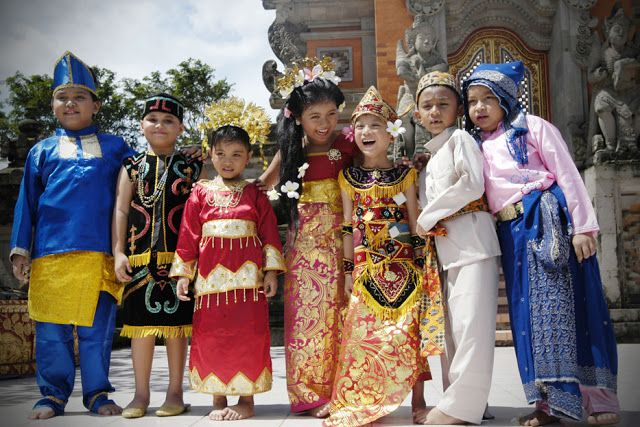
Indonesia is a vast and culturally rich country made up of thousands of islands, each with its own traditions, languages, and customs. One of the most fascinating aspects of Indonesian culture is its traditional clothing. These garments are more than just outfits; they represent identity, heritage, and social values that have been passed down through generations. When exploring 32 traditional costumes from various provinces of Indonesia, you begin to understand how diverse and vibrant the nation truly is.
Traditional clothing in Indonesia is often worn during ceremonies, weddings, festivals, and cultural events. Each costume reflects the local environment, history, and beliefs of the people who wear it. From intricate batik designs to bold woven fabrics, every detail carries meaning. These outfits also showcase the craftsmanship and artistry of Indonesian communities.
For beginners and intermediate learners, discovering 32 traditional costumes from various provinces of Indonesia offers a unique way to connect with the country’s heritage. It is not only educational but also inspiring. As you dive deeper, you will notice patterns, symbolism, and regional differences that make each costume special. This article will guide you through their significance, importance, and key highlights in a structured and engaging way.
What is 32 Traditional Costumes from Various Provinces of Indonesia?
The phrase 32 traditional costumes from various provinces of Indonesia refers to a collection of cultural outfits representing different regions across the country. Each province has its own unique attire, influenced by local traditions, climate, religion, and history. These costumes are often worn during formal occasions and serve as symbols of pride and identity.
For example, the kebaya is widely recognized in many regions, while the ulos fabric is associated with North Sumatra. Similarly, Bali is known for its elegant ceremonial dress, and Papua features tribal attire made from natural materials. By studying 32 traditional costumes from various provinces of Indonesia, you gain insight into how culture varies across the archipelago.
These costumes are not just about appearance. They reflect social status, marital status, and even spiritual beliefs. Colors, patterns, and accessories all carry meaning. In many cases, traditional clothing is handmade using techniques that have been preserved for centuries.
Why is 32 Traditional Costumes from Various Provinces of Indonesia Important?
Understanding 32 traditional costumes from various provinces of Indonesia is important for several reasons. First, it helps preserve cultural heritage. As modernization continues, traditional practices can fade away. Learning about these costumes ensures that they remain relevant and appreciated.
Second, these garments promote national unity while celebrating diversity. Indonesia is home to hundreds of ethnic groups, and each costume represents a unique identity. By recognizing them, people develop a deeper respect for different cultures.
Third, traditional clothing plays a key role in tourism and education. Visitors are often fascinated by the beauty and uniqueness of these outfits. Cultural festivals and performances frequently showcase them, helping to attract global attention.
Detailed Step-by-Step Guide
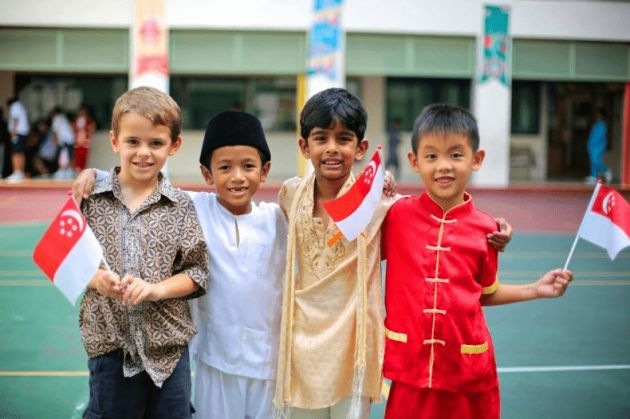
Step 1: Understand Regional Diversity
Indonesia consists of many provinces, each with its own traditional costume. Start by learning about major regions such as Java, Sumatra, Kalimantan, Sulawesi, Bali, and Papua. Each area has distinct styles and materials.
Step 2: Learn About Key Costumes
Here are examples included in the 32 traditional costumes from various provinces of Indonesia:
- Aceh: Ulee Balang
- North Sumatra: Ulos attire
- West Sumatra: Bundo Kanduang
- Riau: Malay traditional dress
- Jambi: Traditional Jambi clothing
- South Sumatra: Aesan Gede
- Bengkulu: Rejang attire
- Lampung: Tulang Bawang costume
- Jakarta: Betawi attire
- West Java: Sundanese kebaya
- Central Java: Javanese traditional dress
- East Java: Madurese attire
- Bali: Balinese ceremonial costume
- West Kalimantan: Dayak attire
- Central Kalimantan: Ngaju dress
- South Kalimantan: Banjar clothing
- East Kalimantan: Kutai attire
- North Sulawesi: Minahasa clothing
- Central Sulawesi: Kaili attire
- South Sulawesi: Bodo dress
- Southeast Sulawesi: Tolaki costume
- Gorontalo: Traditional Gorontalo attire
- Maluku: Cele clothing
- North Maluku: Ternate attire
- Papua: Koteka and grass skirts
Step 3: Study Materials and Designs
Traditional costumes often use natural materials like cotton, silk, and bark. Batik, songket, and ikat weaving are common techniques. Each pattern tells a story.
Step 4: Understand Symbolism
Colors and accessories have meaning. For example, gold embroidery may symbolize wealth, while certain patterns indicate social rank.
Step 5: Observe Usage
These costumes are typically worn during weddings, religious ceremonies, and official events. Observing their use helps you understand their cultural importance.
Benefits of 32 Traditional Costumes from Various Provinces of Indonesia
- Preserves cultural heritage and traditions
- Promotes national identity and unity
- Encourages tourism and cultural appreciation
- Inspires modern fashion and design
- Supports local artisans and craftsmanship
- Provides educational value for students and researchers
- Strengthens community pride
Disadvantages / Risks
- Risk of cultural misinterpretation
- Traditional methods may be time-consuming
- High cost of authentic materials
- Decline in usage due to modernization
- Loss of skilled artisans over time
- Commercialization may reduce authenticity
Common Mistakes to Avoid
One common mistake is assuming all Indonesian traditional clothing is the same. In reality, each region has unique styles. Another mistake is ignoring the cultural meaning behind the costumes. Wearing them without understanding their significance can lead to misrepresentation.
People also tend to focus only on popular outfits like kebaya while overlooking lesser-known costumes. Additionally, using incorrect accessories or mixing elements from different regions can reduce authenticity.
FAQs
What makes Indonesian traditional costumes unique?
Indonesian traditional costumes are unique because they reflect the diversity of the country’s cultures, traditions, and environments. Each province has distinct designs and meanings.
How many traditional costumes are there in Indonesia?
There are many, but the concept of 32 traditional costumes from various provinces of Indonesia highlights key examples representing different regions.
When are these costumes worn?
They are typically worn during ceremonies, weddings, festivals, and cultural events.
What materials are used in these costumes?
Common materials include cotton, silk, and traditional fabrics like batik, songket, and ikat.
Why is it important to preserve traditional clothing?
Preserving traditional clothing helps maintain cultural heritage and ensures that future generations understand their roots.
Can traditional costumes be worn in modern settings?
Yes, many designers incorporate traditional elements into modern fashion, making them suitable for contemporary use.
Expert Tips & Bonus Points
To better understand 32 traditional costumes from various provinces of Indonesia, try visiting cultural exhibitions or museums. Watching traditional performances can also provide valuable insights.
If possible, learn about the making process of fabrics like batik and songket. This will deepen your appreciation for the craftsmanship involved. Additionally, consider supporting local artisans by purchasing authentic handmade items.
Another useful tip is to study the history behind each costume. This will help you connect with the cultural significance rather than just the visual appeal.
Conclusion
Exploring 32 traditional costumes from various provinces of Indonesia offers a fascinating journey into the heart of the country’s cultural diversity. Each costume tells a story, reflecting the traditions, beliefs, and creativity of the people who wear it. From the elegant kebaya to the intricate woven fabrics of eastern Indonesia, these garments showcase the richness of Indonesian heritage.
Understanding these costumes is not just about learning fashion. It is about appreciating history, identity, and craftsmanship. As modernization continues, it becomes even more important to preserve and celebrate these traditions. By studying and sharing knowledge about them, we help keep these cultural treasures alive.
Whether you are a beginner or someone with a deeper interest, learning about 32 traditional costumes from various province of Indonesia can be both educational and inspiring. It encourages respect for diversity and highlights the beauty of cultural expression. In the end, these costumes are more than clothing; they are symbols of pride, unity, and heritage that continue to shape Indonesia’s identity.