
Introduction
Tribal culture in the archipelago represents one of the most fascinating and diverse cultural heritages in the world. Spread across thousands of islands, these communities have preserved unique traditions, languages, and lifestyles for centuries. Their deep connection with nature, ancestral wisdom, and strong social structures make them an essential part of global cultural diversity. Tribal culture in the archipelago is not just about traditions; it is a living identity that continues to evolve while staying rooted in history.
The richness of tribal culture in the archipelago can be seen in their rituals, art, music, and daily life practices. Each tribe carries its own story shaped by geography, environment, and historical influences. Despite modernization, many communities continue to protect their heritage, passing it from generation to generation. Understanding tribal culture in the archipelago helps us appreciate human diversity and the importance of cultural preservation.
In today’s globalized world, tribal culture in the archipelago also plays a significant role in tourism, education, and cultural studies. It offers insights into sustainable living, respect for nature, and community harmony. This article explores the depth, importance, and challenges of tribal culture in the archipelago while highlighting its lasting value in modern society.
What is Tribal Culture in the Archipelago?
Tribal culture in the archipelago refers to the traditional way of life followed by indigenous communities living across island regions. These tribes have distinct languages, customs, beliefs, and social systems that have been developed over hundreds of years. Their culture is deeply influenced by their natural surroundings, including forests, oceans, and mountains.
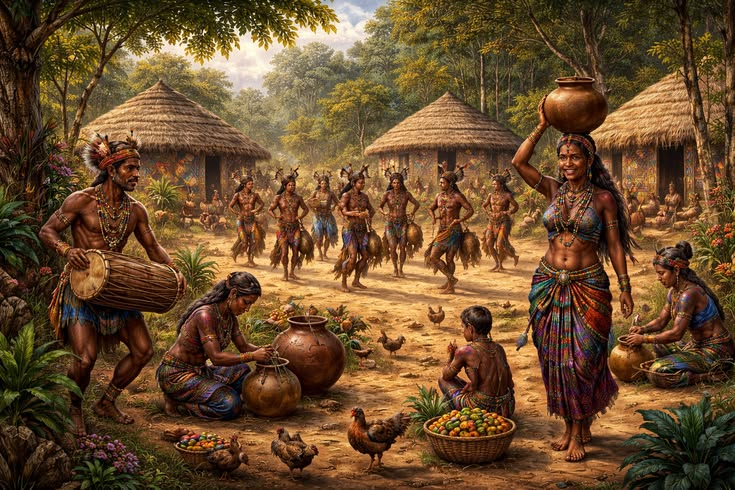
In many archipelagos, tribes rely on fishing, farming, and handcrafted goods for survival. Their lifestyle is closely connected to nature, and they often practice sustainable methods of living. Tribal culture in the archipelago is also characterized by oral traditions, where knowledge is passed down through storytelling, songs, and rituals rather than written records.
Each tribe has its own identity, but common elements include respect for ancestors, community cooperation, and spiritual beliefs tied to natural elements. These cultural practices help maintain harmony within the community and with the environment. Tribal culture in the archipelago is not static; it evolves while maintaining its core values, making it both ancient and relevant today.
Why is Tribal Culture in the Archipelago Important?
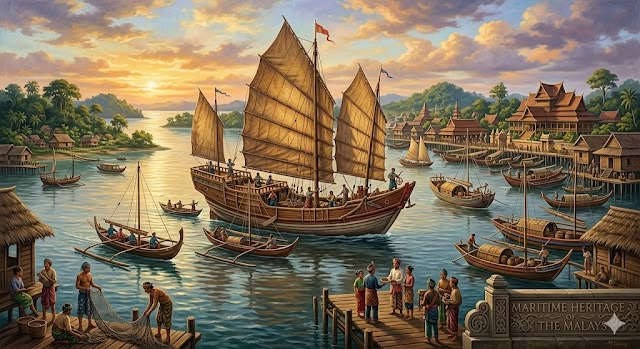
Tribal culture in the archipelago holds great importance for several reasons. First, it preserves human history and traditions that might otherwise be lost. These cultures provide a direct link to ancient ways of life and help us understand human development over time.
Second, tribal culture in the archipelago promotes biodiversity and environmental conservation. Many tribes live sustainably, using natural resources responsibly without harming ecosystems. Their practices offer valuable lessons in ecological balance and sustainability.
Third, it contributes to cultural diversity. In a world becoming increasingly uniform, tribal culture in the archipelago reminds us of the importance of uniqueness and identity. It enriches global heritage and encourages respect for differences.
Finally, tribal culture in the archipelago supports education and research. Anthropologists, historians, and researchers study these communities to gain insights into human behavior, social systems, and cultural evolution. This makes it an essential subject for academic and cultural understanding.
Detailed Step-by-Step Guide to Understanding Tribal Culture in the Archipelago
Step 1: Study Historical Background
Understanding tribal culture in the archipelago begins with learning its history. Each tribe has origins shaped by migration, environment, and adaptation over time. Studying their past helps in understanding their present lifestyle.
Step 2: Learn Language and Communication
Languages are key to tribal identity. Many tribes in the archipelago have unique dialects. Learning about their language structure and oral traditions provides deeper cultural understanding.
Step 3: Explore Social Structure
Tribal communities often follow strong social systems. Elders play an important role in decision-making, and community cooperation is highly valued.
Step 4: Understand Beliefs and Rituals
Spiritual beliefs are central to tribal life. Rituals related to nature, ancestors, and life events reflect their worldview and cultural values.
Step 5: Observe Daily Lifestyle
From fishing techniques to farming methods, daily activities show how tribes adapt to their environment. These practices often reflect sustainability.
Step 6: Study Art and Craft
Tribal art, including carvings, weaving, and paintings, represents cultural expression. These artworks often carry symbolic meanings.
Step 7: Respect Cultural Sensitivity
When studying tribal culture in the archipelago, it is important to approach with respect and avoid misrepresentation or exploitation.
Benefits of Tribal Culture in the Archipelago
- Preserves ancient traditions and knowledge systems
- Promotes environmental sustainability and eco-friendly living
- Strengthens cultural diversity and identity
- Supports tourism and cultural exchange
- Provides valuable insights for academic research
- Encourages community living and cooperation
- Inspires modern sustainable practices
Disadvantages / Risks of Tribal Culture in the Archipelago
- Risk of cultural loss due to modernization
- Limited access to education and healthcare in remote areas
- Economic challenges and poverty in some communities
- Exploitation through tourism if not managed ethically
- Language extinction due to globalization
- Environmental threats affecting traditional lifestyles
Common Mistakes to Avoid
One common mistake is stereotyping tribal communities. Tribal culture in the archipelago is diverse, and each group has its own identity. Assuming all tribes are the same leads to misunderstanding.
Another mistake is cultural exploitation. Using tribal symbols or traditions without permission can harm their cultural integrity.
Many people also overlook the importance of context. Tribal practices should not be judged by modern standards without understanding their historical and environmental background.
FAQs
1. What defines tribal culture in the archipelago?
It refers to the traditional lifestyle, beliefs, and customs of indigenous communities living on islands, shaped by nature and history.
2. Why is tribal culture important today?
It preserves heritage, supports biodiversity, and provides valuable lessons in sustainable living and community cooperation.
3. How do tribes preserve their culture?
They preserve it through oral traditions, rituals, ceremonies, art, and passing knowledge from elders to younger generations.
4. What challenges do tribal communities face?
They face challenges like modernization, cultural loss, limited resources, and environmental changes affecting their way of life.
5. Is tribal culture in the archipelago changing?
Yes, it is evolving due to modernization, but many communities still maintain core traditions and values.
6. How can we protect tribal culture?
By respecting their traditions, supporting cultural preservation efforts, promoting ethical tourism, and encouraging education.
Expert Tips & Bonus Points
Experts suggest that understanding tribal culture in the archipelago requires patience and open-minded learning. Always engage with authentic sources and avoid assumptions. Visiting communities respectfully and learning from local voices provides deeper insight.
Another important tip is to support sustainable tourism. This ensures that tribal communities benefit economically without losing their cultural identity.
Documentation also plays a key role. Recording languages, traditions, and rituals helps preserve knowledge for future generations. However, it must always be done with permission and respect.
Conclusion
Tribal culture in the archipelago is a rich and valuable part of human heritage that reflects centuries of tradition, adaptation, and resilience. It represents a deep connection between people and nature, offering lessons in sustainability, community living, and cultural identity. Despite the pressures of modernization, many tribal communities continue to preserve their unique way of life.
Understanding tribal culture in the archipelago allows us to appreciate the diversity of human existence. It also highlights the importance of protecting these cultures from loss and exploitation. Their traditions, beliefs, and knowledge systems contribute significantly to global heritage and provide insights into sustainable living practices.
In a rapidly changing world, tribal culture in the archipelago serves as a reminder of the importance of roots, identity, and respect for nature. Preserving these cultures is not just about history; it is about protecting a living legacy that continues to inspire and educate future generations.