
Introduction
Must-Try Balinese Food is more than just a travel checklist it is a deep dive into one of the richest and most vibrant culinary traditions in the world. When people think of Bali, they often imagine beaches, temples, and scenic rice fields. However, the island’s food culture is equally captivating and deserves just as much attention.
Balinese cuisine reflects a beautiful blend of tradition, spirituality, and local ingredients. From aromatic spices to slow-cooked meats and fresh vegetables, every dish tells a story. Whether you are a beginner exploring global cuisines or an intermediate foodie looking to expand your palate, Must-Try Balinese Food offers something unforgettable.
What makes these dishes special is not just their taste but also how they are prepared and served. Many recipes are passed down through generations, often cooked during ceremonies or family gatherings. This gives the food a deeper cultural meaning beyond simple nourishment.
What is Must-Try Balinese Food?
Must-Try Balinese Food refers to a collection of traditional dishes that represent the authentic taste of Bali. These foods are deeply rooted in Indonesian culinary traditions but have unique flavors and preparation styles specific to the island.
Balinese cuisine is known for its bold use of spices, herbs, and fresh ingredients. Common elements include turmeric, lemongrass, garlic, chili, and ginger. These ingredients are often combined into a spice paste known as “base genep,” which forms the foundation of many dishes.
Some popular examples of Must-Try Balinese Food include:
- Babi Guling (roast suckling pig)
- Nasi Campur (mixed rice dish)
- Ayam Betutu (slow-cooked spiced chicken)
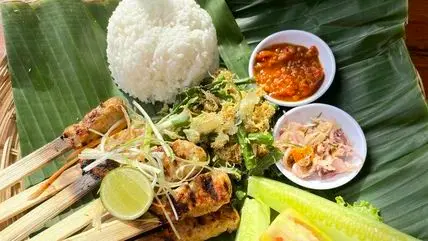
- Sate Lilit (minced seafood satay)
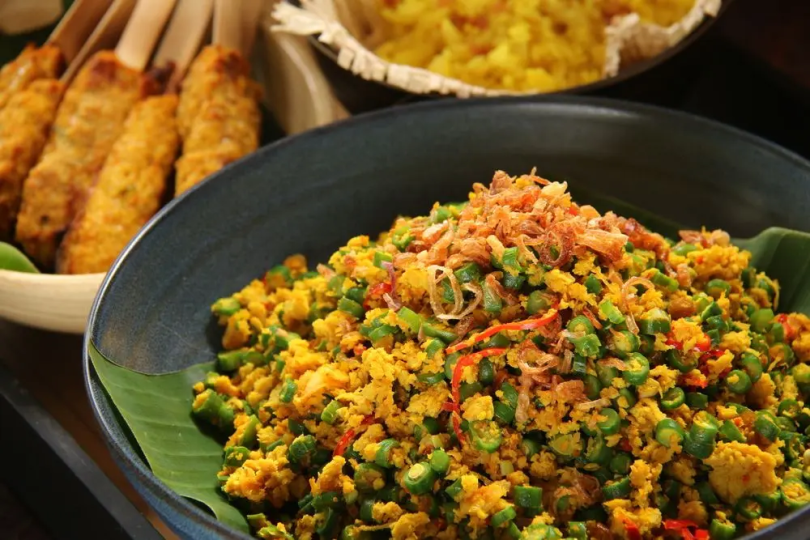
- Lawar (traditional vegetable and meat mix)
These dishes are not only flavorful but also represent different aspects of Balinese culture, from daily meals to ceremonial feasts.
Why is Must-Try Balinese Food Important?
Understanding Must-Try Balinese Food is important for several reasons, especially for those who want to experience Bali beyond tourism.
First, it provides cultural insight. Food in Bali is closely tied to religion and tradition. Many dishes are prepared during festivals, temple offerings, and family rituals.
Second, it promotes culinary diversity. Exploring Balinese cuisine allows you to experience flavors and cooking techniques that are different from Western or other Asian cuisines.
Third, it enhances travel experiences. Trying authentic local dishes helps you connect with the destination on a deeper level. Instead of just seeing Bali, you begin to feel and understand it.
Detailed Step-by-Step Guide
Step 1: Understand the Core Ingredients
Before diving into Must-Try Balinese Food, it is essential to understand the basic ingredients used in most dishes.
Key ingredients include:
- Fresh herbs like lemongrass and kaffir lime leaves
- Spices such as turmeric, coriander, and chili
- Coconut in various forms (milk, grated, oil)
- Proteins like chicken, pork, seafood, and tofu
These ingredients create the rich and layered flavors that define Balinese cuisine.
Step 2: Learn About Popular Dishes
Start by familiarizing yourself with well-known dishes. This helps you make informed choices when exploring menus.
Examples:
- Nasi Campur: A complete meal with rice, vegetables, meat, and sambal
- Sate Lilit: Skewered minced meat mixed with coconut and spices
- Ayam Betutu: Chicken wrapped in banana leaves and slow-cooked
Understanding these dishes helps you appreciate their uniqueness.
Step 3: Explore Cooking Techniques
Balinese cooking techniques play a major role in flavor development.
Common methods include:
- Slow cooking for deep flavor infusion
- Grilling over charcoal for smoky taste
- Steaming in banana leaves for aroma
Each technique enhances the dish in a different way.
Step 4: Taste Gradually
If you are new to Must-Try Balinese Food, start slowly. Some dishes can be spicy or intense.
Begin with mild options like:
- Nasi Campur
- Vegetable-based Lawar
- Mild chicken dishes
Gradually move to spicier and richer foods.
Step 5: Pair with Traditional Sides
Balinese meals are often served with side dishes that enhance the main course.
Common sides include:
- Sambal (spicy chili paste)
- Pickled vegetables
- Crackers
These add texture and balance to the meal.
Step 6: Respect Cultural Context
Many dishes have cultural or religious significance. Understanding this adds depth to your experience.
For example:
- Certain foods are prepared during ceremonies
- Some ingredients are considered sacred
Respecting these traditions shows appreciation for the culture.
Benefits of Must-Try Balinese Food
- Rich and diverse flavors that excite the palate
- Use of fresh and natural ingredients
- Deep cultural and traditional significance
- Wide variety of dishes for different preferences
- Opportunity to explore new cooking styles
- Balanced meals with proteins, vegetables, and spices
- Enhances travel and cultural experiences
Disadvantages / Risks
- Some dishes can be very spicy for beginners
- Limited availability outside Bali
- Certain ingredients may be hard to find
- Strong flavors may not suit everyone
- Food hygiene can vary depending on location
- Some traditional dishes include raw or undercooked elements
Common Mistakes to Avoid
One common mistake is judging Balinese food too quickly. Some dishes may taste unusual at first, but they become enjoyable with time.
Another mistake is avoiding spicy food completely. While some dishes are hot, many can be adjusted to suit your taste.
People also tend to stick only to popular dishes. This limits the experience. Exploring lesser-known items can lead to surprising discoveries.
Ignoring local dining customs is another issue. Understanding how food is served and eaten enhances the experience.
FAQs
1. What is the most famous Must-Try Balinese Food?
Babi Guling is one of the most famous dishes. It is a roasted pig seasoned with traditional spices and cooked slowly for rich flavor.
2. Is Balinese food very spicy?
Some dishes are spicy, but not all. Many meals can be adjusted to suit your spice tolerance.
3. Can vegetarians enjoy Must-Try Balinese Food?
Yes, there are many vegetarian options like vegetable Lawar, tofu dishes, and rice-based meals.
4. What is usually served with Balinese food?
Meals are often served with rice, sambal, and side dishes like vegetables or crackers.
5. Is Balinese food healthy?
Many dishes use fresh ingredients and natural spices, making them relatively healthy. However, some dishes can be rich in oil or coconut.
6. How is Balinese food different from other Indonesian cuisines?
Balinese food uses more herbs and ceremonial cooking techniques, giving it a unique flavor and cultural identity.
Expert Tips & Bonus Points
To fully enjoy Must-Try Balinese Food, try eating like a local. Choose small portions of different dishes instead of one large meal.
Timing also matters. Some dishes are best enjoyed fresh, especially grilled or roasted items.
Learning a few local food terms can help you navigate menus more easily and order confidently.
If possible, observe how dishes are prepared. This gives you insight into the effort and tradition behind each meal.
Conclusion
Must-Try Balinese Food is more than just a list of dishes it is an invitation to explore a culture through its flavors. From the first bite to the last, every dish offers a unique combination of taste, tradition, and creativity.
Throughout this guide, we have explored what makes Balinese cuisine special, why it is important, and how you can experience it step by step. Whether you are trying it for the first time or expanding your culinary knowledge, the journey is both exciting and rewarding.
The beauty of Must-Try Balinese Food lies in its diversity. There is something for everyone, from mild and comforting dishes to bold and spicy creations. This makes it accessible to beginners while still offering depth for experienced food lovers.