
Introduction
Traditional Indonesian regional foods are a rich reflection of the country’s diverse culture, history, and geography. Indonesia is made up of thousands of islands, each with its own unique culinary identity. This diversity has created one of the most flavorful and colorful food cultures in the world. From spicy dishes in Sumatra to sweet flavors in Java and seafood specialties in Sulawesi, every region offers something unique and meaningful. These foods are not only about taste but also about tradition, heritage, and community bonding.
In this article, we will explore traditional Indonesian regional foods in detail, including their importance, types, preparation methods, benefits, and cultural significance. Whether you are a food lover, traveler, or beginner exploring global cuisines, this guide will help you understand why Indonesian food is so special. You will also learn how these dishes are prepared, what makes them unique, and why they remain important in modern times. By the end, you will have a clear understanding of Indonesia’s culinary richness and how it continues to influence global food culture.
What is Traditional Indonesian Regional Foods?
Traditional Indonesian regional foods refer to the variety of dishes that originate from different islands and ethnic groups across Indonesia. Each region uses local ingredients, spices, and cooking methods that reflect its environment and culture. For example, coastal areas focus heavily on seafood, while inland regions often use rice, vegetables, and meat with rich spices.
These foods are deeply connected to daily life, ceremonies, and festivals. Recipes are often passed down through generations, preserving cultural identity. Dishes like Rendang from West Sumatra, Gudeg from Yogyakarta, and Coto Makassar from South Sulawesi are examples of how regional identity is preserved through food. Traditional Indonesian regional foods are not only meals but also a representation of history and tradition that continues to evolve.
Why is Traditional Indonesian Regional Foods Important?
Traditional Indonesian regional foods are important for several cultural, economic, and social reasons. First, they preserve Indonesia’s cultural heritage. Each dish tells a story about the people, their lifestyle, and their history. Without these foods, many traditions could be lost over time.
Second, they support local economies. Farmers, fishermen, and small food businesses depend on traditional recipes and ingredients to earn a living. Third, these foods attract tourism. Many visitors travel to Indonesia specifically to experience authentic regional cuisine.
Lastly, traditional Indonesian regional foods promote unity in diversity. Even though Indonesia has many ethnic groups, food acts as a bridge that connects people. Sharing meals strengthens relationships and builds community bonds across regions.
Detailed Step-by-Step Guide
Understanding Regional Ingredients
The first step in understanding traditional Indonesian regional foods is learning about local ingredients. Common ingredients include rice, coconut milk, chili, lemongrass, turmeric, and galangal. Each region uses these ingredients differently depending on availability and tradition.
Cooking Techniques
Indonesian cooking techniques are also unique. Some common methods include boiling, frying, grilling, and slow cooking. Slow cooking is especially important in dishes like Rendang, where spices are absorbed over several hours.
Popular Regional Dishes
Different regions offer different signature dishes. In Java, sweet flavors dominate. In Sumatra, spicy and rich dishes are common. Bali offers ceremonial dishes with strong spices, while Sulawesi focuses on seafood-based meals.
Serving and Presentation
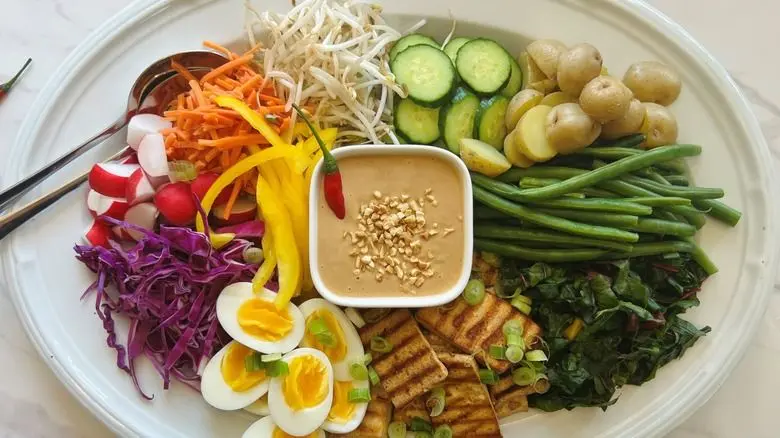
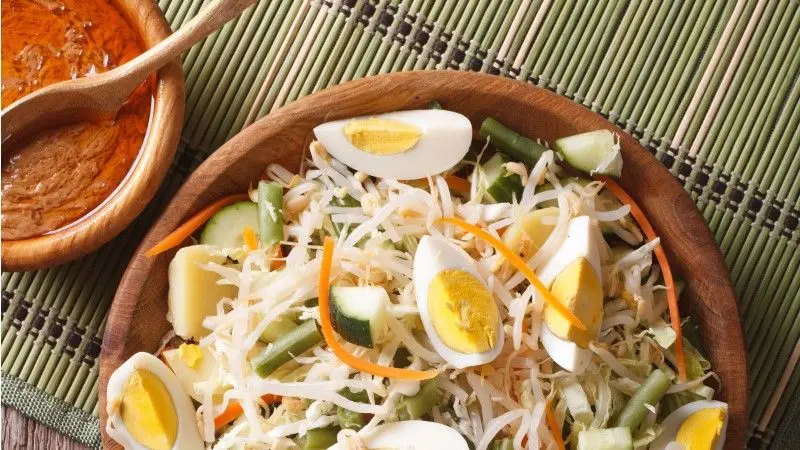
Traditional Indonesian meals are often served with rice as the main staple. Side dishes include vegetables, meat, and sambal (chili sauce). Presentation is usually simple but colorful, emphasizing natural ingredients.
Benefits of Traditional Indonesian Regional Foods
- Rich in natural spices that may support health and digestion
- Promotes cultural awareness and heritage preservation
- Encourages use of fresh and local ingredients
- Supports local farmers and small businesses
- Offers a wide variety of flavors and cooking styles
- Strengthens social and family bonds during meals
- Increases tourism and global culinary interest
Disadvantages / Risks
- Some dishes can be high in oil and calories
- Preparation time for traditional meals can be long
- Certain ingredients may not be easily available outside Indonesia
- Spicy foods may not be suitable for everyone
- Overconsumption can lead to dietary imbalance
- Traditional cooking methods may require experience and skill
Common Mistakes to Avoid
One common mistake is overusing spices without understanding balance. Indonesian cuisine depends on harmony between flavors, so too much spice can ruin a dish. Another mistake is using incorrect substitutes for traditional ingredients, which changes the authentic taste.
People also often rush the cooking process. Many traditional dishes require slow cooking to develop full flavor. Skipping this step results in less authentic taste. Lastly, ignoring regional differences can lead to confusion, as each island has its own cooking style and identity.
FAQs
1. What makes Indonesian regional food unique?
Indonesian regional food is unique due to its diversity of spices, ingredients, and cultural influences from different islands and ethnic groups.
2. Is Indonesian food always spicy?
Not all Indonesian food is spicy. While many dishes use chili, some regions prefer sweet or mild flavors.
3. What is the most famous Indonesian dish?
Rendang is one of the most famous Indonesian dishes globally, known for its rich spices and slow-cooked beef.
4. Are Indonesian foods healthy?
Many traditional dishes are healthy because they use natural ingredients, but some fried foods should be eaten in moderation.
5. Can Indonesian food be made outside Indonesia?
Yes, many dishes can be prepared internationally, although some ingredients may need substitutes.
6. Why is rice so important in Indonesian cuisine?
Rice is the main staple food in Indonesia and is served with almost every meal as the primary source of energy.
Expert Tips & Bonus Points
Experts recommend learning the balance of sweet, salty, sour, and spicy flavors when cooking Indonesian dishes. Always use fresh ingredients for the best taste. If possible, cook dishes slowly to allow spices to blend properly.
Another tip is to start with simple recipes like fried rice or satay before moving to complex dishes like Rendang. Understanding basic spice combinations will make cooking easier and more enjoyable.
Also, explore different regions one by one. This helps you understand how geography affects food culture. Finally, always taste and adjust seasoning gradually instead of adding everything at once.
Conclusion
Traditional Indonesian regional foods represent one of the most diverse and flavorful cuisines in the world. They are not only meals but also cultural expressions that reflect history, geography, and community life. From spicy dishes in Sumatra to sweet delicacies in Java and seafood specialties in eastern Indonesia, each region offers something unique and meaningful.
These foods play an important role in preserving cultural heritage and supporting local economies. They also bring people together through shared meals and celebrations. Despite modern changes in lifestyle and fast food culture, traditional Indonesian regional foods continue to remain popular and respected.
Understanding and appreciating these dishes allows us to connect with Indonesia’s rich cultural identity. Whether you are cooking at home, traveling, or simply learning about global cuisines, Indonesian food offers endless discovery. By exploring these traditional flavors, you not only enjoy delicious meals but also experience a deep connection to one of the most vibrant food cultures in the world.