
Introduction
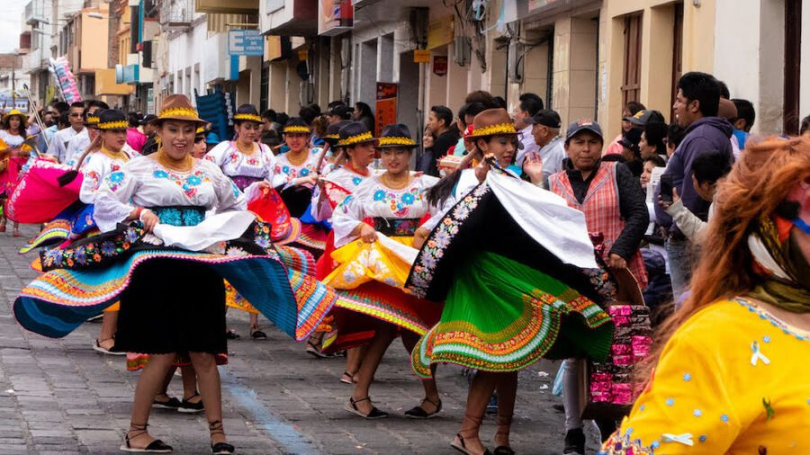
Traditional arts represent the soul of human civilization, carrying stories, beliefs, and identities from one generation to another. These art forms include painting, weaving, pottery, music, dance, and many other cultural expressions that have been passed down for centuries. In today’s fast-changing digital world, many people assume that traditional arts are fading away. However, the reality is quite different. Across the globe, communities are still actively practicing and preserving these valuable traditions.
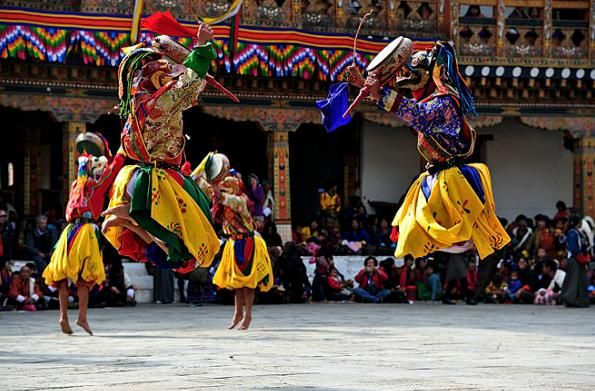
Traditional arts that still survive are not just creative expressions; they are living records of history. They connect modern society with ancestral wisdom and cultural identity. Whether it is handwoven textiles from South Asia, indigenous pottery in Africa, or classical dance forms in Asia, these traditions continue to thrive despite modernization.
Understanding traditional arts is important because they reflect diversity and cultural richness. Moreover, they help in maintaining a sense of belonging and pride within communities. In recent years, efforts to preserve traditional arts have increased through education, tourism, and digital platforms.
This article explores traditional arts that still survive, why they matter, how they are preserved, their benefits, challenges, and practical ways to support them. It also highlights how cultural heritage can continue to thrive in a modern world without losing its authenticity.
What are Traditional Arts?
Traditional arts refer to creative practices that are deeply rooted in the cultural heritage of a community or society. These art forms are usually passed down through generations, often taught by elders or master artisans rather than formal institutions. They include visual arts, performing arts, crafts, and oral traditions.
Unlike modern commercial art, traditional arts are often created using natural materials and time-tested techniques. They are closely connected to rituals, festivals, and daily life activities. For example, tribal paintings may represent religious beliefs, while traditional dances may tell historical stories.
Traditional arts that still survive today are living proof of cultural resilience. Even though modernization and industrialization have changed lifestyles, many communities continue to protect and practice these art forms. This preservation ensures that cultural identity remains strong and visible in future generations.
Why are Traditional Arts Important?
Traditional arts play a crucial role in preserving cultural identity and history. They act as a bridge between the past and the present, helping people understand where they come from and what values shaped their society.
One of the main reasons traditional arts are important is their ability to preserve heritage. They carry stories, rituals, and knowledge that are not written in books but expressed through creativity. This makes them a powerful form of cultural documentation.
Additionally, traditional arts support community identity. They bring people together during festivals, ceremonies, and cultural events. This strengthens social bonds and encourages unity.
Another important aspect is economic value. Many communities rely on traditional crafts and arts for income through tourism and handmade product sales. This helps sustain local economies while preserving cultural skills.
Traditional arts also promote creativity and mindfulness. Learning these skills requires patience, focus, and dedication, which are valuable in today’s fast-paced world.
Ultimately, traditional arts that still survive are essential for maintaining cultural diversity. Without them, many unique traditions could disappear forever, leading to a loss of global cultural richness.
How Traditional Arts Are Preserved Today
1. Role of Education and Training
Educational institutions and cultural centers play a major role in preserving traditional arts. Many schools now include cultural heritage programs that teach students traditional crafts, music, and dance. Master artisans are also invited to train younger generations, ensuring that skills are not lost.
2. Community-Based Workshops
Local communities organize workshops where elders teach traditional skills to youth. These hands-on sessions help in practical learning and cultural exchange. This method is highly effective in keeping traditional arts alive.
3. Government Support and Cultural Policies
Many governments provide financial support, grants, and recognition to traditional artists. Cultural festivals and heritage programs are also organized to promote awareness and appreciation.
4. Digital Platforms and Social Media
In the modern era, digital platforms have become powerful tools for preservation. Artists showcase their work online, reaching global audiences. This not only increases visibility but also creates new income opportunities.
5. Tourism and Cultural Exhibitions
Cultural tourism plays a significant role in preserving traditional arts. Museums, exhibitions, and heritage sites attract visitors who learn about and appreciate these art forms.
Benefits of Traditional Arts
- Preserve cultural identity and heritage
- Strengthen community bonds and unity
- Provide economic opportunities for artisans
- Promote creativity and mental well-being
- Encourage sustainable and eco-friendly practices
- Support cultural diversity and global understanding
- Help in education and historical learning
Disadvantages / Risks of Traditional Arts
- Risk of extinction due to modernization
- Lack of financial support for artisans
- Limited market demand in some regions
- Difficulty in passing skills to younger generations
- Competition with mass-produced goods
- Loss of authenticity due to commercialization
Common Mistakes to Avoid
One common mistake is ignoring traditional arts in education systems. When schools focus only on modern subjects, cultural heritage may be neglected.
Another mistake is undervaluing artisans. Many traditional artists struggle financially because their work is not properly appreciated or priced.
Over-commercialization is also a major issue. When traditional arts are mass-produced for profit, their originality and cultural meaning can be lost.
FAQs
1. What are traditional arts?
Traditional arts are cultural expressions passed down through generations, including crafts, music, dance, and visual art forms that reflect a community’s heritage.
2. Why are traditional arts still important today?
They preserve cultural identity, history, and values while promoting creativity and community bonding in modern society.
3. How are traditional arts preserved?
They are preserved through education, workshops, government support, digital platforms, and cultural tourism.
4. Are traditional arts disappearing?
Some are at risk due to modernization, but many traditional arts that still survive are being actively preserved worldwide.
5. Can traditional arts provide income?
Yes, artisans can earn through handmade products, exhibitions, tourism, and online marketplaces.
6. How can young people learn traditional arts?
They can join workshops, cultural programs, apprenticeships, or learn directly from experienced artisans in their communities.
Expert Tips & Bonus Points
To support traditional arts, start by appreciating handmade products instead of only mass-produced items. This helps artisans financially and keeps traditions alive.
Encourage children to learn cultural crafts and performances from an early age. This builds interest and ensures knowledge transfer.
Support local artisans by attending cultural events, exhibitions, and fairs. These platforms help promote their work.
Use social media to share and promote traditional art forms. Digital exposure can significantly increase awareness.
Conclusion
Traditional arts that still survive are more than just creative expressions; they are living treasures of human history and culture. They connect generations, preserve identity, and tell stories that define communities across the world. In a rapidly modernizing society, these art forms face many challenges, yet they continue to exist through the dedication of artisans, cultural organizations, and supportive communities.
Preserving traditional arts is not only about protecting the past but also about shaping the future. When people value and support these traditions, they contribute to cultural diversity and sustainability. Every handmade craft, every traditional dance, and every folk melody carries meaning that should not be lost.
As globalization continues to influence lifestyles, it becomes even more important to protect traditional arts. They remind us of where we come from and enrich our shared human experience. By supporting education, promoting awareness, and appreciating artisans, we can ensure that these traditions remain alive for future generations.