
Introduction
Indonesian traditional ceremonies are deeply rooted in the cultural identity of the archipelago. They are not just rituals or celebrations but meaningful expressions of philosophy, beliefs, and values passed down through generations. From birth ceremonies to harvest festivals and ancestral rituals, every tradition carries symbolic meaning that reflects harmony between humans, nature, and spirituality.
In Indonesia, culture is incredibly diverse due to the presence of hundreds of ethnic groups. Each community has its own traditional ceremonies that represent its unique worldview. However, despite this diversity, many ceremonies share common values such as respect for ancestors, gratitude for nature, social unity, and spiritual balance.
These ceremonies often combine music, dance, offerings, and prayers, creating a rich cultural experience that goes beyond entertainment. They serve as a bridge between the past and present, ensuring that cultural wisdom remains alive in modern society.
What is Indonesian Traditional Ceremonies?
Indonesian traditional ceremonies are cultural rituals performed by different ethnic groups across Indonesia to mark important life events, seasonal changes, and spiritual beliefs. These ceremonies are guided by ancestral customs and local wisdom.
They are often based on three main foundations: belief systems, social structure, and environmental harmony. In many communities, ceremonies are conducted to show gratitude to God, honor ancestors, or seek blessings for future prosperity.
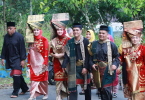
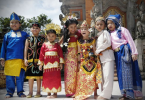
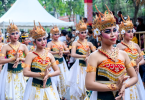
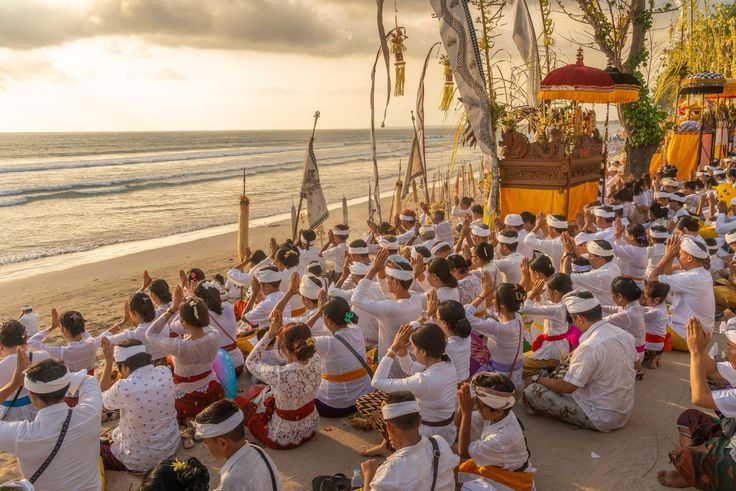
Examples include birth ceremonies, marriage rituals, death ceremonies, harvest celebrations, and temple festivals. Each ceremony carries symbolic actions such as offering food, wearing traditional clothing, performing dances, and chanting prayers.
These traditions are not fixed; they evolve over time but still maintain their core values. Despite modernization, many Indonesian communities continue to preserve these ceremonies as part of their identity.
Why is Indonesian Traditional Ceremonies Important?
Indonesian traditional ceremonies hold great importance in cultural, social, and spiritual aspects of life. They are more than rituals; they are a way of preserving wisdom and maintaining balance in society.
Firstly, they preserve cultural heritage. Through ceremonies, younger generations learn about their history, values, and identity. This helps prevent cultural loss in a rapidly globalizing world.
Secondly, they strengthen social bonds. Ceremonies bring communities together, encouraging cooperation and unity. People work collectively to prepare offerings, organize events, and celebrate together.
Thirdly, they maintain spiritual harmony. Many ceremonies are conducted to honor divine forces or ancestors, ensuring balance between humans and the spiritual world.
Fourthly, they promote respect for nature. Agricultural ceremonies, for example, show gratitude toward the earth and emphasize sustainable living.
Lastly, they provide emotional meaning. Life events such as birth, marriage, and death are given deeper significance through rituals, helping individuals cope with change and transition.
Detailed Step-by-Step Guide
Understanding the Purpose of the Ceremony
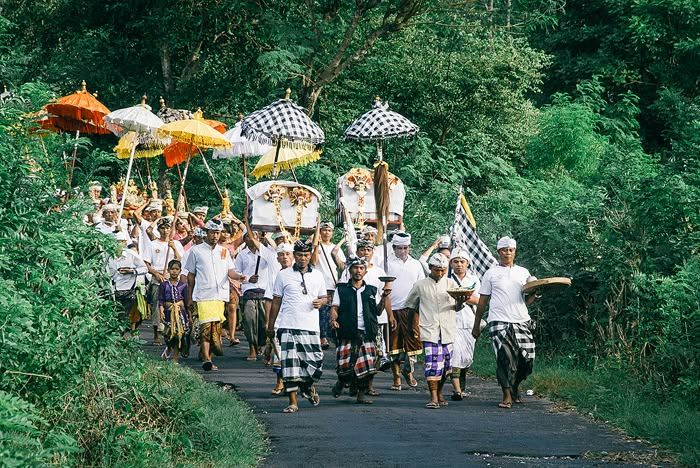
Every Indonesian traditional ceremony begins with understanding its purpose. Whether it is a wedding, harvest ritual, or ancestral tribute, each event has a specific meaning. The community identifies the reason for the ceremony and prepares accordingly.
Preparation of Ritual Items
The next step involves preparing symbolic items. These may include traditional food, flowers, incense, clothing, and sacred objects. Each item carries philosophical meaning, such as purity, gratitude, or prosperity.
Community Gathering and Coordination
Community members gather to organize roles and responsibilities. Elders often guide the process, ensuring traditions are followed correctly. This stage emphasizes teamwork and unity.
Ritual Performance
The ceremony is performed through prayers, dances, chants, and offerings. This is the core moment where spiritual and cultural values are expressed. Traditional music often accompanies the rituals.
Sharing of Food and Celebration
After the ritual, food is shared among participants. This symbolizes gratitude and equality within the community. It also strengthens social relationships.
Closing and Reflection
The ceremony ends with prayers and reflections. Participants express gratitude and hope for blessings. This final step reinforces the meaning and purpose of the ritual.
Benefits of Indonesian Traditional Ceremonies
- Preserve cultural identity and heritage
- Strengthen community bonds and unity
- Promote moral and spiritual values
- Encourage respect for nature and environment
- Provide emotional support during life transitions
- Educate younger generations about traditions
- Maintain balance between humans and spirituality
- Support local cultural tourism and economy
Disadvantages / Risks
- Can be expensive for some communities to organize
- May require significant time and preparation
- Risk of losing meaning due to modernization
- Younger generations may show less interest
- Some rituals may conflict with modern lifestyles
- Over-commercialization can reduce authenticity
- Environmental impact if not managed responsibly
Common Mistakes to Avoid
One common mistake is treating ceremonies as mere entertainment without understanding their meaning. This reduces their cultural value.
Another mistake is ignoring traditional rules and procedures. Each ceremony has specific guidelines that must be respected.
Over-commercialization is also a growing issue. Turning sacred rituals into tourist attractions can weaken their spiritual significance.
Additionally, lack of participation from younger generations can lead to cultural decline. It is important to involve youth in learning and practicing traditions.
FAQs
1. What is the main purpose of Indonesian traditional ceremonies?
The main purpose is to maintain harmony between humans, nature, ancestors, and spiritual beliefs while preserving cultural identity.
2. Are all Indonesian ceremonies religious?
Not all are strictly religious. Some are cultural or social rituals, although many have spiritual elements.
3. Why do communities still perform traditional ceremonies today?
They are performed to preserve heritage, strengthen unity, and maintain cultural identity in modern society.
4. What values are taught through these ceremonies?
Values include respect, gratitude, cooperation, harmony, and responsibility toward nature and community.
5. How do traditional ceremonies affect younger generations?
They educate youth about cultural roots and help them understand identity, although interest can vary.
6. Can traditional ceremonies change over time?
Yes, they evolve with society but usually retain their core meanings and philosophical foundations.
7. Are Indonesian traditional ceremonies the same across all regions?
No, they vary greatly between ethnic groups, each having unique rituals and meanings.
Expert Tips & Bonus Points
To truly understand Indonesian traditional ceremonies, it is important to learn from local communities directly. Observing rituals respectfully provides deeper insight than reading alone.
Another tip is to study the symbolism behind each element. Every item used in a ceremony has a philosophical meaning that reflects cultural beliefs.
Participation is also valuable. When appropriate, joining community events helps build appreciation and understanding.
Respect is essential. Always follow local customs and guidelines when attending or studying ceremonies.
Conclusion
Indonesian traditional ceremonies are more than cultural events; they are living expression of philosophy, values, and identity. They reflect how communities understand life, nature, and spirituality in a deeply meaningful way.
Through rituals passed down for generations, these ceremonies preserve wisdom that modern society can still learn from today. They strengthen social unity, promote respect for nature, and provide spiritual balance in everyday life.
Despite challenges such as modernization and declining participation, these traditions continue to remain relevant. Their ability to adapt while preserving core values makes them a powerful cultural heritage.