
Introduction
Indonesia is a country rich in culture, diversity, and traditions. With more than 17,000 islands and hundreds of ethnic groups, it is no surprise that each region has its own unique identity. One of the most fascinating aspects of this diversity is the traditional clothing worn across different provinces. These costumes are not just garments; they represent history, beliefs, social status, and cultural pride.
The topic of 32 Traditional Costumes from Various Provinces of Indonesia is especially interesting for beginners and intermediate learners who want to explore cultural heritage in a meaningful way. Each costume tells a story through its colors, fabrics, patterns, and accessories. From the elegant kebaya to the vibrant ulos, every piece reflects centuries of tradition.
Understanding 32 Traditional Costumes from Various Provinces of Indonesia also helps in appreciating the unity within diversity that defines the nation. These outfits are often worn during ceremonies, weddings, and festivals, making them an essential part of Indonesian identity.
What is 32 Traditional Costumes from Various Provinces of Indonesia?
The concept of 32 Traditional Costumes from Various Provinces of Indonesia refers to the unique traditional outfits that originate from different regions across the country. Each province has its own distinctive clothing style that reflects its local culture, climate, religion, and historical influences.
These costumes are usually handmade using traditional techniques such as weaving, dyeing, and embroidery. Materials like silk, cotton, and natural fibers are commonly used. In addition, many outfits include accessories such as headpieces, jewelry, belts, and footwear that enhance their cultural significance.
For example, the Javanese kebaya is known for its elegance and simplicity, while the Balinese attire is more decorative and ceremonial. Similarly, the Batak ulos cloth symbolizes warmth and blessings.
Why is 32 Traditional Costumes from Various Provinces of Indonesia Important?
Understanding 32 Traditional Costumes from Various Provinces of Indonesia is important for several reasons. First, it helps preserve cultural heritage. In a rapidly modernizing world, traditional clothing plays a key role in keeping ancient traditions alive.
Second, these costumes promote cultural awareness and respect. By learning about different regional outfits, people can better appreciate diversity and avoid cultural misunderstandings.
Another reason is national identity. Indonesia is a multicultural nation, and traditional costumes symbolize unity despite differences. They are often showcased during national events, cultural festivals, and international exhibitions.
Additionally, these costumes support local artisans and industries. Many traditional outfits are handmade, providing income and preserving craftsmanship skills.
Detailed Step-by-Step Guide
Understanding the Diversity
The first step in exploring 32 Traditional Costumes from Various Provinces of Indonesia is to understand the diversity of the regions. Indonesia consists of multiple islands, each with its own traditions.
Learning Key Costumes by Region
Java Region
- Kebaya (Central Java)
- Beskap (Yogyakarta)
- Pangsi (West Java)
These costumes are known for their refined and elegant appearance.
Sumatra Region
- Ulos (North Sumatra)
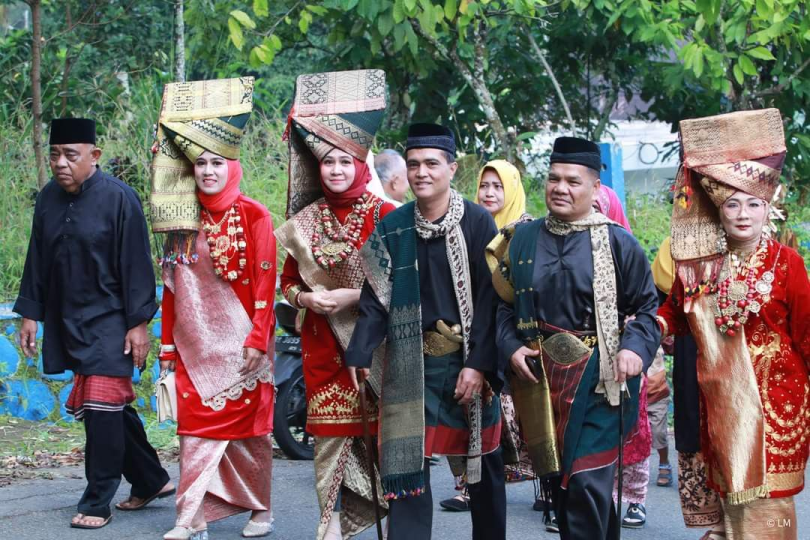
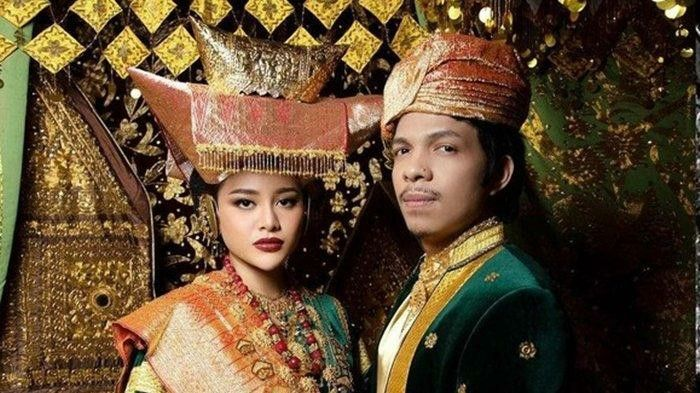
- Bundo Kanduang (West Sumatra)
- Aesan Gede (South Sumatra)
These outfits often include rich fabrics and symbolic accessories.
Bali and Nusa Tenggara
- Payas Agung (Bali)
- Rimpu (West Nusa Tenggara)
They are vibrant and used mainly in ceremonies.
Kalimantan Region
- King Baba (West Kalimantan)
- Ta’a (East Kalimantan)
These costumes use natural materials and tribal designs.
Sulawesi Region
- Baju Bodo (South Sulawesi)
- Laku Tepu (Central Sulawesi)
Bright colors and simple designs define these outfits.
Papua Region
- Koteka (Papua)
- Grass skirts and body ornaments
These reflect a close connection with nature.
Identifying Materials and Patterns
Each costume uses different materials such as:
- Silk for formal wear
- Cotton for daily wear
- Natural fibers for tribal outfits
Patterns often symbolize:
- Social status
- Marital status
- Spiritual beliefs
Recognizing Occasions
Traditional costumes are worn during:
- Weddings
- Religious ceremonies
- Cultural festivals
- National celebrations
Appreciating Cultural Meaning
Every detail in 32 Traditional Costumes from Various Provinces of Indonesia carries meaning. For example:
- Gold accessories symbolize wealth
- Specific colors represent emotions or status
- Headpieces indicate rank or role
Benefits of 32 Traditional Costumes from Various Provinces of Indonesia
- Preserves cultural heritage and traditions
- Promotes national identity and unity
- Supports local artisans and craftsmanship
- Enhances cultural tourism
- Educates younger generations
- Encourages respect for diversity
- Strengthens community pride
Disadvantages / Risks
- High cost of traditional materials
- Risk of cultural misinterpretation
- Decline in usage due to modern fashion
- Limited availability in some regions
- Complexity in wearing certain costumes
- Loss of authenticity through mass production
Common Mistakes to Avoid
One common mistake is assuming all Indonesian costumes are the same. In reality, each province has a unique identity.
Another mistake is ignoring the cultural significance. Wearing traditional outfits without understanding their meaning can lead to disrespect.
People also tend to mix elements from different regions incorrectly. This can result in inaccurate representation.
Additionally, using low-quality replicas instead of authentic garments reduces the cultural value.
FAQs
What are traditional costumes in Indonesia?
Traditional costumes are cultural outfits worn by different ethnic groups, representing their history, identity, and traditions.
How many traditional costumes are there in Indonesia?
There are many, but the commonly recognized list includes 32 Traditional Costumes from Various Provinces of Indonesia.
Why are these costumes important?
They preserve cultural heritage, promote unity, and represent regional identity.
When are traditional costumes worn?
They are worn during weddings, festivals, ceremonies, and national events.
Are traditional costumes still used today?
Yes, although mostly for special occasions rather than daily wear.
What materials are used in these costumes?
Common materials include silk, cotton, and natural fibers, depending on the region.
Expert Tips & Bonus Points
To better understand 32 Traditional Costumes from Various Provinces of Indonesia, start by focusing on one region at a time. This makes learning easier and more enjoyable.
Try to observe real-life examples through cultural events or exhibitions. Seeing the costumes in person provides deeper insight.
Learning basic cultural meanings behind colors and patterns will also enhance your understanding.
If possible, interact with local communities or artisans. They can share authentic knowledge that books may not provide.
Conclusion
The journey through 32 Traditional Costumes from Various Provinces of Indonesia reveals a world full of beauty, meaning, and diversity. Each costume reflects the identity of a region and tells a story that has been preserved for generation.
From the elegant kebaya of Java to the tribal attire of Papua, these outfits highlight the richness of Indonesian culture. They are not just garments but symbols of pride, unity, and heritage.
In today’s modern world, it is important to keep these traditions alive. By learning about and appreciating these costumes, we contribute to cultural preservation and awareness.