
Introduction
Indonesia is a country known for its rich culture, diverse traditions, and most importantly, its unforgettable food. When the sun sets, a whole new world of flavors comes alive across its cities and towns. A Night Culinary Tour in Indonesia offers a unique experience where travelers can explore vibrant street food scenes, taste authentic local dishes, and immerse themselves in the lively nighttime atmosphere.
For beginners and intermediate travelers, this experience is more than just eating. It is about discovering hidden gems, meeting local vendors, and understanding the cultural significance behind each dish. From sizzling satay grills to aromatic noodle stalls, every corner tells a story.
Moreover, night food markets in Indonesia are affordable, diverse, and full of energy. Whether you are in Jakarta, Bali, or Yogyakarta, the culinary journey after dark promises excitement and satisfaction. This guide will help you understand everything about enjoying a Night Culinary Tour in Indonesia, including tips, benefits, and common mistakes to avoid.
What is Night Culinary Tour in Indonesia?
A Night Culinary Tour in Indonesia is a guided or self-planned food exploration that takes place after sunset. It focuses on discovering local street food, traditional dishes, and popular night markets.
Unlike regular dining, this tour emphasizes variety and experience. You don’t just sit in a restaurant. Instead, you walk through busy streets, try different foods from multiple vendors, and enjoy the vibrant nightlife.
This type of tour is popular among travelers because it combines food, culture, and adventure. It also allows you to taste authentic Indonesian cuisine that may not be available in high-end restaurants.
Typical foods you might encounter include:
- Satay (grilled meat skewers)
- Nasi Goreng (fried rice)
- Martabak (stuffed pancake)
- Bakso (meatball soup)
- Sate Padang (spicy beef skewers)
Each region offers its own specialties, making every night tour unique.
Why is Night Culinary Tour in Indonesia Important?
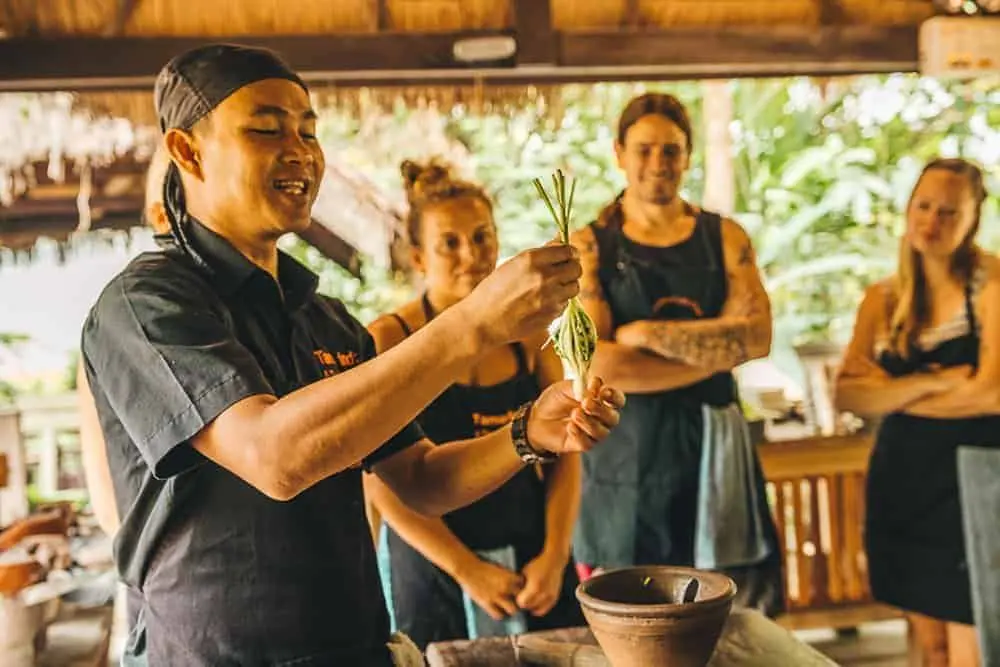
A Night Culinary Tour in Indonesia is important because it connects travelers with the real essence of Indonesian culture.
Firstly, street food is a major part of daily life in Indonesia. Locals gather at night markets to eat, socialize, and relax. By joining a culinary tour, you become part of this lifestyle.
Secondly, it supports small businesses. Most street vendors rely on night sales, so your participation directly contributes to their income.
Additionally, night tours provide access to authentic recipes passed down through generations. These are often more traditional than dishes served in commercial restaurants.
Another reason is affordability. Night food tours allow you to try multiple dishes at a lower cost compared to dining in restaurants.
Detailed Step-by-Step Guide
Step 1: Choose the Right City
Indonesia has many cities famous for night food. Some of the best include:
- Jakarta for modern and traditional mix
- Yogyakarta for authentic local flavors
- Bali for tourist-friendly options
- Bandung for creative street food
Research the city’s specialties before starting your tour.
Step 2: Decide Between Guided or Self Tour
You can either join a guided tour or explore on your own.
Guided tours offer:
- Local expertise
- Pre-planned routes
- Safety and convenience
Self tours offer:
- Flexibility
- Freedom to explore
- Personalized experience
Choose based on your comfort level.
Step 3: Visit Popular Night Markets
Night markets are the heart of a Night Culinary Tour in Indonesia. Look for:
- Busy food streets
- Local recommendations
- High customer turnover stalls
Popular spots usually have better quality and freshness.
Step 4: Start with Light Dishes
Begin your tour with smaller portions. This allows you to try more dishes without getting full too quickly.
Examples:
- Fried snacks
- Small satay portions
- Local drinks
Pace yourself throughout the tour.
Step 5: Try Signature Indonesian Foods
Do not miss iconic dishes such as:
- Nasi Goreng
- Mie Goreng (fried noodles)
- Sate Ayam (chicken satay)
- Gado-Gado (vegetable salad with peanut sauce)
These dishes define Indonesian cuisine.
Step 6: Observe Hygiene and Cleanliness
While street food is delicious, always check:
- Clean cooking areas
- Fresh ingredients
- Vendor hygiene
Choose stalls that look busy and well-maintained.
Step 7: Interact with Vendors
Talking to vendors can enhance your experience. Many are friendly and willing to share stories about their food.
This interaction adds cultural depth to your tour.
Step 8: Try Local Drinks and Desserts
End your tour with something sweet or refreshing:
- Es Cendol (sweet iced dessert)
- Teh Tarik (pulled tea)
- Fresh coconut water
Desserts complete the culinary experience.
Step 9: Manage Your Budget
Street food is affordable, but costs can add up. Set a budget before starting.
Carry small cash notes for easy transactions.
Step 10: Enjoy the Atmosphere
Take time to enjoy the surroundings. The lights, music, and crowds are part of the experience.
Do not rush. A Night Culinary Tour in Indonesia is meant to be enjoyed slowly.
Benefits of Night Culinary Tour in Indonesia
- Offers authentic local food experiences
- Budget-friendly compared to restaurants
- Provides cultural immersion
- Encourages interaction with locals
- Wide variety of dishes in one night
- Flexible and customizable
- Great for food lovers and travelers
- Memorable and unique travel experience
Disadvantages / Risks
- Risk of food hygiene issues
- Overeating due to variety
- Language barriers with vendors
- Crowded and noisy environments
- Weather conditions may affect comfort
- Limited seating in some areas
- Difficulty in choosing from too many options
Common Mistakes to Avoid
One common mistake is eating too much at the beginning. Many travelers get excited and fill up quickly, missing out on other dishes.
Another mistake is ignoring hygiene. Always observe how food is prepared before ordering.
Some people also stick only to familiar foods. This limits the experience. Be open to trying new flavors.
Skipping local recommendations is another issue. Locals know the best spots, so always ask for advice.
FAQs
1. Is a Night Culinary Tour in Indonesia safe?
Yes, it is generally safe, especially in popular areas. Stick to crowded places, follow basic safety precautions, and choose clean food stalls.
2. How much does a night food tour cost?
Costs vary depending on location and food choices. On average, you can enjoy a full tour at a very reasonable price compared to restaurant dining.
3. Do I need a guide for the tour?
Not necessarily. Beginners may benefit from a guide, but experienced travelers can explore on their own.
4. What is the best time to start the tour?
Most night markets become active after sunset. Starting around 6:30 PM to 7:00 PM is ideal.
5. Can vegetarians enjoy a night culinary tour?
Yes, many stalls offer vegetarian options such as tofu, tempeh, and vegetable dishes.
6. What should I carry during the tour?
Carry cash, tissues, hand sanitizer, and a small bag. Comfortable clothing and shoes are also recommended.
Expert Tips & Bonus Points
To make the most of your Night Culinary Tour in Indonesia, follow these expert tips.
Start with research. Knowing the popular dishes and locations saves time and improves your experience.
Eat where locals eat. Crowded stalls usually indicate good quality and taste.
Try sharing dishes if you are traveling with friends. This allows you to taste more items.
Stay hydrated but avoid drinking too much water before eating. This helps you enjoy more food.
Use basic local phrases. Even simple greetings can create a positive interaction with vendors.
Be adventurous but mindful. Trying new foods is exciting, but always listen to your body.
Take photos, but do not let it interrupt your experience. Enjoy the moment as well.
Conclusion
A Night Culinary Tour in Indonesia is more than just a food journey. It is a cultural adventure that brings you closer to the heart of Indonesian life. From the sizzling street stalls to the vibrant night markets, every moment offers something special.
For beginners and intermediate travelers, this experience is both exciting and accessible. It does not require a large budget or extensive planning. All you need is curiosity, an appetite, and a willingness to explore.
The beauty of this tour lies in its diversity. Each city, each street, and each vendor offers something different. You can enjoy traditional dishes, discover new flavors, and create unforgettable memories.