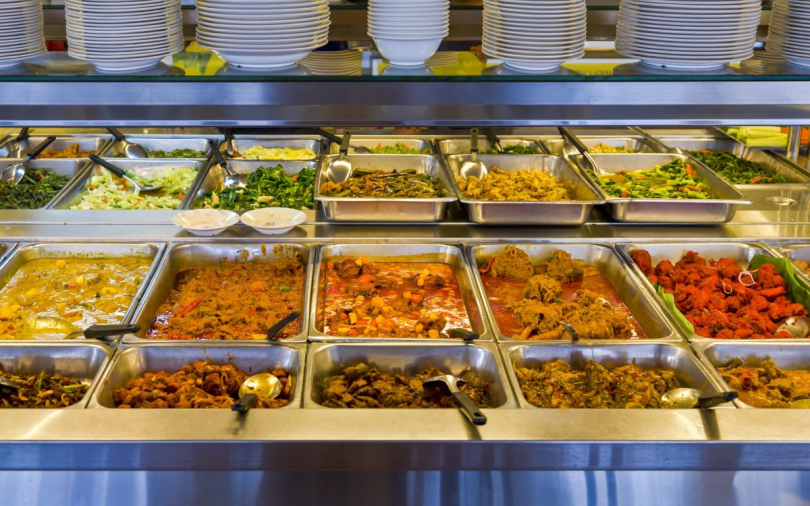

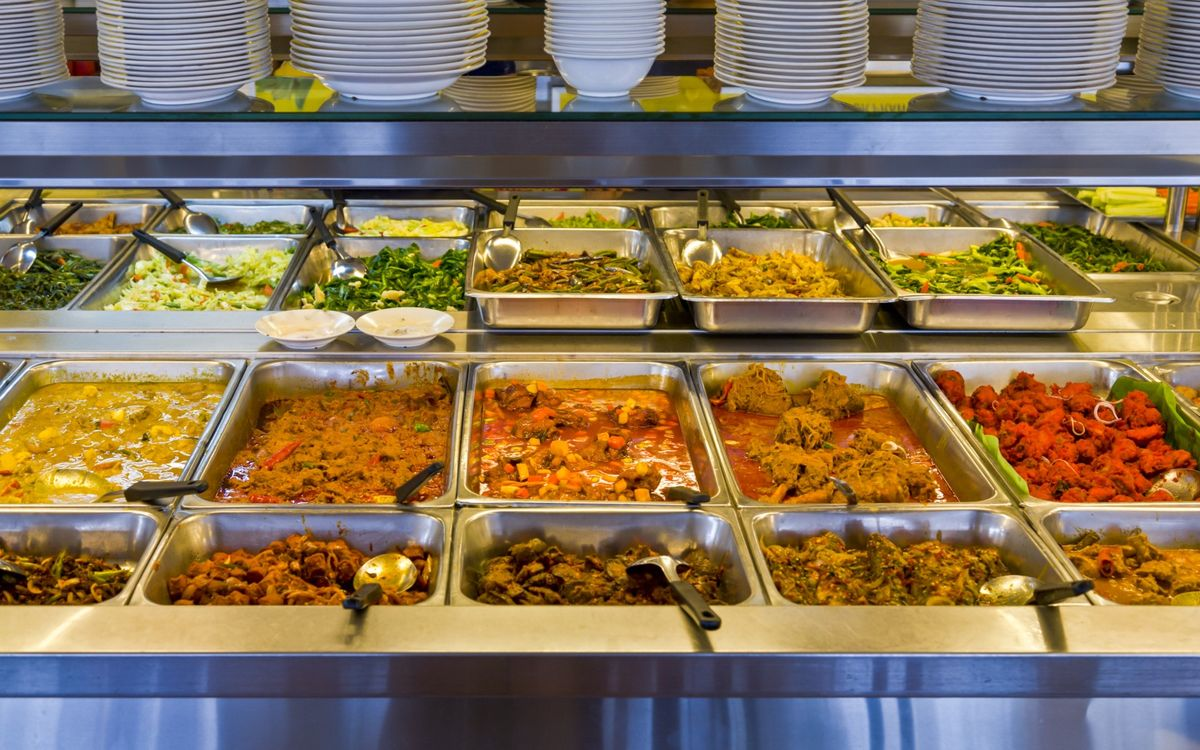
Indonesian street food is one of the great eating experiences of Southeast Asia. From the smoke of satay grills in Jakarta to night markets in Yogyakarta and food stalls lining the streets of Padang, some of the country’s most memorable meals are cooked on carts, in tiny warungs and at plastic tables by the roadside. If you want to understand Indonesia, eat where Indonesians eat. This guide to Indonesian street food covers the dishes you must try, the regional specialties worth travelling for, and the simple rules that keep your stomach as happy as your taste buds.
Why Street Food Is the Heart of Indonesian Eating
Indonesia’s cuisine was built in markets and on street corners long before it reached restaurants. The warung — a small, family-run food stall — is where recipes are perfected over decades, where a cook may serve one dish and one dish only, refined across generations. Street food is also social food: colleagues crowd around a soto cart at lunch, families gather at night markets, and students debate the best bakso in town with complete seriousness.
For visitors, Indonesian street food offers something restaurants often cannot: a direct line to how people really eat. Prices are honest, portions are generous, and the cook is usually two steps away, happy to explain what is in front of you. Eating on the street is not the budget option in Indonesia — it is often simply the best option.
Must-Try Dishes: From Satay to Nasi Goreng
Start with the classics. Satay (sate) — skewers of chicken, goat or beef grilled over charcoal and drowned in peanut sauce — is everywhere and almost always excellent. Nasi goreng, the national fried rice, comes in countless versions, from the sweet kecap manis style of Java to fiery renditions in Sumatra. Bakso, springy beef meatballs in a clear, fragrant broth, is the comfort food of choice for millions, best eaten with noodles, a boiled egg and a spoonful of sambal.
Keep going. Soto ayam is a turmeric-rich chicken soup that changes character from city to city. Martabak offers two joys in one stall: a crispy, eggy savoury pancake stuffed with meat and scallions, and its sweet cousin filled with chocolate, peanuts and condensed milk. Gado-gado, blanched vegetables and tofu under peanut sauce, is proof that a salad can be a full meal. And wherever you see a rendang display in a Padang restaurant window, stop — the slow-cooked, spice-laden beef is regularly voted among the world’s most delicious dishes.
Regional Specialties Worth Travelling For
Indonesia has thousands of islands and nearly as many food traditions. In Yogyakarta, gudeg — young jackfruit stewed in coconut milk and palm sugar — defines the city’s gentle, sweet palate. In Manado, at the far north of Sulawesi, expect some of the spiciest food in the archipelago, including Rica-rica dishes and grilled fish with dabu-dabu salsa. Bali’s babi guling, roast suckling pig with turmeric rice and crackling skin, is a ceremony on a plate.
In Medan, the mix of Malay, Chinese, Indian and Batak influences creates one of Indonesia’s great food cities — try the laksa and the famous durian pancakes if you are brave. In Surabaya, rawon, a beef soup darkened with keluak nuts, shows how different East Javanese cooking can be from the capital’s. Exploring Indonesian street food region by region is one of the most delicious ways to travel the country.
Eating Safely: Simple Rules for a Happy Stomach
A few habits keep street food adventures pleasant. Choose busy stalls with high turnover — food that is cooked to order and sold quickly is food that has not been sitting around. Watch your dish being cooked fresh and served steaming hot. Drink bottled or refilled sealed water, and be cautious with ice at the smallest stalls, though most commercial ice in Indonesia is factory-made and safe. Carry small notes, because many vendors cannot change large bills.
Modern stalls increasingly accept QR and e-wallet payments, which is convenient but worth a moment’s care: always check the amount and the merchant name before confirming, and stay alert to fake QR stickers placed over real ones. The same everyday digital awareness covered in our guide to understanding and avoiding online scams applies at the food cart too. And if you use food delivery apps during your stay, remember they store your address, phone number and payment details — this overview of search habits and personal data protection is a useful reminder to review what those apps keep and share.
Timing shapes the experience more than most visitors realise. Many of the finest stalls open only at certain hours: porridge and noodle carts at dawn for the breakfast crowd, satay and martabak sellers appearing as the sun goes down, and night markets (pasar malam) that may set up in a given neighbourhood only once or twice a week. Ask your hotel staff or a local driver which stalls are famous nearby and when they open — the answer often points you to a cart with no sign, no menu and a queue of forty people, which in Indonesia is the most reliable five-star rating a kitchen can earn.
Street Food Etiquette and Handy Words
A little language goes a long way. “Tidak pedas” means not spicy — though be warned, one person’s “not spicy” in Padang may still set your mouth alight. “Pedas sekali” means very spicy, for the brave. Pointing at what the person next to you is eating is a perfectly acceptable ordering strategy, and a smile plus “terima kasih” (thank you) will be warmly received everywhere.
Eat with your right hand if you eat by hand, as the left is considered impolite for passing food and money. At a warung, it is normal to share tables with strangers. And when a vendor tells you the price with pride, haggling is neither expected nor appreciated at food stalls — the price is the price, and it is almost always fair.
Conclusion
Indonesian street food is far more than cheap eating: it is the living heart of the country’s cuisine, served by specialists who have spent lifetimes perfecting single dishes. Try the national classics, chase the regional specialties, follow the simple safety rules and pay attention at the digital checkout. Do that, and every night market, warung and food cart becomes what it should be — one of the highlights of travelling in Indonesia.