
Introduction
A bathroom renovation is an opportunity to create a space that reflects the character of a home while making everyday routines more comfortable. However, choosing a design can be surprisingly difficult. There are countless tile finishes, furniture styles, colours, shower arrangements, and decorative features to consider.
Some homeowners prefer a contemporary bathroom with clean lines and minimal details. Others are attracted to traditional interiors, natural materials, or a combination of modern and classic elements. The best choice is not necessarily the latest trend. It is the style that suits the property, available space, household requirements, and personal taste.
A successful bathroom design should also remain practical. Attractive finishes are important, but the room must be comfortable to use, easy to clean, and suitable for the demands of everyday life.
Start by Understanding Your Home’s Character
Before selecting a bathroom style, consider the architecture and interior design of the property.
A modern home may suit streamlined furniture, large-format tiles, and simple geometric shapes. A period property might look more balanced with traditional sanitaryware, decorative details, and warmer colours.
This does not mean every room needs to follow the same style as the rest of the house. A bathroom can have its own identity while still complementing the property’s overall appearance.
Look at existing features such as flooring, doors, wall colours, and architectural details. These can help guide decisions about finishes and furniture.
For example, a home with natural wood flooring and warm neutral interiors may benefit from a bathroom that uses similar tones. A property with a more contemporary interior could suit polished surfaces and understated fittings.
The goal is to create a bathroom that feels connected to its surroundings rather than appearing completely unrelated.
Explore the Appeal of Contemporary Bathrooms
Contemporary bathroom design focuses on simplicity, functionality, and clean visual lines.
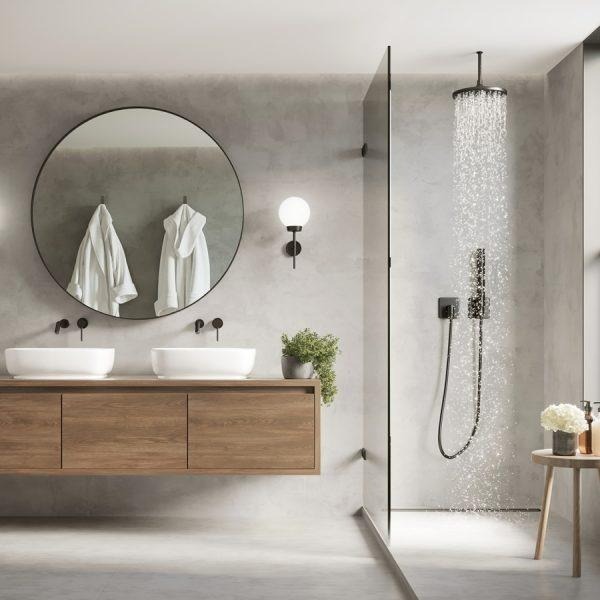
Floating vanity units, frameless shower screens, wall-mounted taps, and understated sanitaryware are common features. These elements help create an organised appearance without relying on excessive decoration.
Neutral colours such as white, grey, beige, and soft stone tones are popular because they work with many different finishes.
Large-format tiles can create a more continuous appearance by reducing the number of visible grout lines. They are particularly effective when used across floors and selected walls.
Contemporary designs can also incorporate contrasting details. Dark taps, brushed metal accessories, or a feature wall can add character without overwhelming the room.
Storage should be integrated into the design wherever possible. Concealed drawers and wall-mounted cabinets help keep everyday products out of sight.
This style is particularly suitable for homeowners who prefer a neat, uncluttered environment.
Consider a Traditional Bathroom for Timeless Character
Traditional bathroom designs can bring warmth and personality to a property. They often feature decorative furniture, classic taps, framed mirrors, and more detailed sanitaryware.
A pedestal basin or furniture-style vanity can create a familiar appearance. Traditional baths with curved shapes may also become attractive focal points in larger rooms.
Colour choices can include cream, warm white, pale green, muted blue, and other softer shades. These colours can be paired with patterned floor tiles or decorative wall finishes.
Metal fittings play an important role in traditional interiors. Chrome, polished brass, and other classic finishes can complement the selected furniture and accessories.
Traditional design does not have to mean sacrificing modern convenience. Contemporary shower systems, effective ventilation, and practical storage can be incorporated without changing the overall character.
The key is to choose details that work together rather than mixing too many competing decorative styles.
Create a Natural, Spa-Inspired Atmosphere
Some homeowners want their Bathroom installers to feel like a private retreat. A natural, spa-inspired design can help create a calm environment through carefully selected colours, textures, and lighting.
Stone-effect tiles, wood-inspired furniture, neutral wall finishes, and simple accessories can establish a relaxed atmosphere.
Soft beige, sand, warm grey, and muted green are useful colour choices. They can be combined with natural-looking textures to create depth without introducing excessive contrast.
A spacious walk-in shower can become a central feature. A rainfall showerhead, recessed storage niche, and clear glass screen can support the clean appearance.
Lighting is particularly important in this type of bathroom. General ceiling lighting can be combined with mirror illumination and subtle accent lighting.
Plants may also add a natural touch where suitable ventilation and lighting conditions are available. However, decorative accessories should not obstruct surfaces or make cleaning difficult.
Choose Colours That Work Together
Colour selection has a major influence on the final appearance of a bathroom.
Light shades can make a smaller room feel brighter, while darker colours may create a more dramatic and intimate atmosphere.
White remains a versatile choice because it works with almost any material or fitting. It can be combined with wood-effect furniture, dark metal details, or colourful accessories.
Grey offers a contemporary alternative, ranging from pale silver tones to deeper charcoal shades. Beige and cream can introduce warmth, especially when paired with natural-looking surfaces.
If you want to include a stronger colour, consider using it on one wall, a vanity unit, or selected accessories. This provides personality without making the entire room feel visually busy.
It is also useful to examine colour samples under the bathroom’s actual lighting conditions. A shade can look different under artificial light compared with natural daylight.
Select Tiles According to Style and Practicality
Tiles are among the most visible elements of a bathroom, so their appearance should be considered carefully.
Large-format tiles can create a clean, modern finish. Smaller patterned tiles may be more suitable for traditional interiors or feature areas.
Stone-effect designs can provide a natural appearance, while marble-inspired finishes may introduce a more decorative feel.
Gloss tiles reflect light and can help brighten darker spaces. Matt finishes offer a softer appearance and may complement understated interiors.
Flooring requires particular attention because bathroom floors are exposed to water. Select products with suitable slip resistance for the intended location.
Grout colour also affects the final result. Matching grout can create a subtle finish, while contrasting grout highlights individual tile shapes.
Rather than using several unrelated patterns, select a small number of complementary materials. This makes it easier to achieve a balanced appearance.
Decide Between a Bath and a Shower
The choice between a bath and a shower depends on the available space and the household’s routines.
A freestanding bath can become a striking feature in a larger bathroom. It works particularly well when there is enough surrounding space to move comfortably and clean around the fixture.
A built-in bath may be more practical in a compact room. It can provide comfortable bathing while allowing the remaining space to accommodate a separate basin or shower.
Walk-in showers are popular because they create an open appearance and can be designed to suit different room dimensions. A clear glass screen can help maintain visual continuity.
Some households prefer a bath with an overhead shower because it provides both bathing options within one area.
Think about who will use the room and how often each feature is likely to be needed. A design should reflect actual habits rather than simply following a fashionable arrangement.
Choose Bathroom Furniture That Matches Your Lifestyle
Bathroom furniture should provide enough storage without making the room difficult to navigate.
A wall-mounted vanity can create a contemporary appearance and leave more visible floor space. Traditional furniture-style units may suit homes with a more classic interior.
Consider the number of people sharing the bathroom. A busy family may need several drawers and cupboards, while a guest bathroom may require only a compact vanity and a small storage area.
Mirrored cabinets can combine storage and everyday convenience. Tall cabinets may provide additional capacity where the room has enough vertical space.
The materials should be suitable for bathroom conditions. Furniture exposed to regular moisture needs appropriate construction and finishes.
Before choosing a unit, check its dimensions, drawer access, basin position, and available clearance around nearby fittings.
Pay Attention to Tap and Accessory Finishes
Bathroom taps, shower fittings, handles, and towel rails may seem like small details, but they can influence the overall style significantly.
Chrome offers a familiar, versatile finish that works with traditional and contemporary interiors.
Brushed brass can introduce warmth and a decorative touch. Matte black provides contrast and can complement modern designs.
Brushed nickel and similar finishes may offer a softer alternative to highly reflective metals.
For a coordinated appearance, repeat the chosen finish across several fittings. For example, matching basin taps, shower controls, cabinet handles, and towel rails can help create a consistent design.
It is worth considering cleaning and maintenance requirements before making a final choice. Different finishes may respond differently to water marks, fingerprints, and cleaning products.
Make Lighting Part of the Design
Bathroom lighting should support both the appearance of the room and its everyday functions.
A central ceiling light can provide general illumination, while dedicated lighting around the mirror helps with grooming.
Recessed lights may suit a contemporary bathroom because they maintain a simple ceiling appearance. Decorative wall lights can complement more traditional interiors.
Warm lighting can create a relaxed atmosphere, while brighter neutral lighting may be more suitable for everyday tasks.
If natural daylight is available, make the most of it while maintaining privacy. Suitable window coverings or privacy glazing can help balance both requirements.
All electrical fittings must be appropriate for bathroom locations and installed in accordance with relevant safety standards.
Consider Maintenance Before Finalising Your Choices
A bathroom should remain attractive after months and years of everyday use. Some materials and finishes require more maintenance than others.
Highly reflective surfaces may show water marks more clearly, while textured finishes can require additional attention during cleaning.
Glass shower screens benefit from regular cleaning to reduce soap residue and mineral deposits. Grout and sealant should also be checked periodically.
Choose cleaning products according to the manufacturer’s recommendations for each surface. This helps protect finishes and maintain their appearance.
Storage also contributes to easier maintenance. When toiletries and cleaning products have designated places, worktops and other surfaces are less likely to become cluttered.
Bring the Design Together with Professional Support
Once the preferred style has been selected, the next step is turning the ideas into a workable installation plan.
Measurements, plumbing positions, electrical requirements, waterproofing, and product specifications all need to be considered before work begins.
Experienced Bathroom installers can help homeowners understand how different design choices will work within the available space. Professional guidance is particularly useful when changing the layout or selecting larger fixtures.
Homeowners planning Fitted Bathrooms should consider the complete room rather than selecting individual products separately. A coordinated plan helps ensure that furniture, tiles, sanitaryware, and accessories complement one another.
It is also sensible to confirm the installation sequence and expected timescale. This helps coordinate product deliveries and reduces the likelihood of unnecessary delays.
Conclusion
Choosing the right bathroom style involves balancing personal taste, property character, available space, and everyday requirements.
Contemporary designs offer clean lines and practical simplicity, while traditional interiors provide warmth and decorative detail. Natural, spa-inspired bathrooms can create a relaxing atmosphere, and carefully selected colours, tiles, furniture, and fittings help complete the overall look.
The best bathroom is one that feels comfortable to use and remains attractive over time. By considering maintenance, storage, lighting, and installation requirements from the beginning, homeowners can create a space that combines lasting style with everyday practicality.