
Introduction
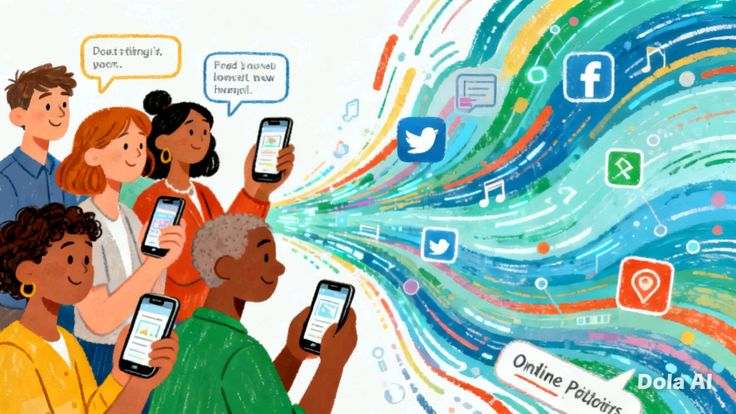
Young people today are growing up in a world shaped by technology. From smartphones to social media platforms, digital tools have become a central part of daily life. This shift has created a new kind of lifestyle where communication, learning, entertainment, and even relationships are influenced by the online world. While this digital lifestyle offers exciting opportunities, it also brings certain challenges that cannot be ignored.
For beginners and intermediate readers, understanding this balance is essential. Many young individuals benefit from easy access to information, creative tools, and global connections. At the same time, issues like screen addiction, mental health concerns, and online risks are becoming more common. Therefore, it is important to explore how young people interact with digital environments and how they can make the most of them.
This article provides a complete guide to understanding young people’s digital lifestyle. It explains what it means, why it matters, and how to manage it effectively. By the end, readers will have a clear understanding of both the positive and negative sides, along with practical steps to maintain a healthy digital balance.
What is Young People’s Digital Lifestyle?
Young people’s digital lifestyle refers to the way individuals, especially teenagers and young adults, use digital technologies in their everyday lives. It includes activities such as using social media, playing online games, watching videos, attending virtual classes, and communicating through messaging apps.
This lifestyle is not limited to entertainment. It also includes education, creativity, and personal development. For example, students now rely on online platforms for learning, while many young creators use digital tools to showcase their talents.
In simple terms, a digital lifestyle means living in a world where technology is deeply integrated into daily routines. It influences how young people think, behave, and interact with others.
Why is Young People’s Digital Lifestyle Important?
Understanding young people’s digital lifestyle is important because it shapes the future of society. Today’s youth are tomorrow’s leaders, and their habits will influence future trends in education, business, and communication.
Firstly, digital skills are now essential. Young people who are comfortable with technology have better opportunities in education and careers. Secondly, digital platforms provide a space for creativity and innovation. Many young individuals are building businesses, creating content, and learning new skills online.
However, the importance also lies in awareness. Without proper understanding, young people may face issues such as cyberbullying, misinformation, and digital addiction. Therefore, recognizing both opportunities and challenges helps in creating a balanced and healthy approach to technology.
Detailed Step-by-Step Guide
Step 1: Understand Your Digital Usage
The first step is to analyze how much time you spend online and what activities you engage in. Keep track of your daily screen time and identify patterns.
Step 2: Set Clear Goals
Decide what you want to achieve through digital platforms. It could be learning a new skill, building a personal brand, or staying connected with friends. Having clear goals prevents unnecessary usage.
Step 3: Create a Balanced Schedule
Divide your time between online and offline activities. For example, limit social media usage and dedicate time to physical activities, reading, or hobbies.
Step 4: Use Technology for Learning
Take advantage of educational platforms, online courses, and tutorials. Digital tools can help improve skills in areas like coding, design, or communication.
Step 5: Practice Digital Safety
Always protect your personal information. Use strong passwords, avoid sharing sensitive data, and be cautious of unknown links or messages.
Step 6: Build Positive Online Habits
Follow content that adds value to your life. Avoid negative or harmful content that affects your mental health.
Step 7: Stay Social Offline
While online communication is convenient, real-life interactions are equally important. Spend time with family and friends outside the digital world.
Benefits of Young People’s Digital Lifestyle
- Easy access to information and learning resources
- Opportunities for creativity and self-expression
- Global connectivity and communication
- Development of digital and technical skills
- Career opportunities in online platforms
- Entertainment and relaxation options
- Ability to build personal brands or businesses
Disadvantages / Risks
- Excessive screen time leading to health issues
- Risk of addiction to social media or gaming
- Exposure to cyberbullying and online harassment
- Privacy and security concerns
- Decreased face-to-face social interaction
- Impact on mental health such as anxiety or depression
- Spread of misinformation and fake news
Common Mistakes to Avoid
One common mistake is spending too much time on social media without any purpose. This often leads to wasted time and reduced productivity. Another mistake is ignoring digital safety, such as using weak passwords or sharing personal information online.
Many young people also compare themselves to others online, which can negatively affect self-esteem. Additionally, relying completely on digital communication can weaken real-life relationships.
To avoid these mistakes, it is important to stay mindful of how technology is used. Focus on meaningful activities and maintain a healthy balance between online and offline life.
FAQs
1. What is a digital lifestyle?
A digital lifestyle refers to the way people use technology in their daily lives for communication, learning, and entertainment.
2. How does digital lifestyle affect young people?
It affects their habits, social interactions, learning methods, and mental health. It can be both positive and negative depending on usage.
3. Is digital lifestyle harmful?
Not necessarily. It becomes harmful only when used excessively or without awareness. Balanced usage can be very beneficial.
4. How can young people manage screen time?
They can set daily limits, use apps to track usage, and schedule offline activities to maintain balance.
5. What are the benefits of digital technology for youth?
It provides access to education, global communication, skill development, and creative opportunities.
6. How can parents support a healthy digital lifestyle?
Parents can guide children, set rules, encourage offline activities, and educate them about online safety.
Expert Tips & Bonus Points
To make the most of a digital lifestyle, young people should focus on quality over quantity. Instead of spending hours scrolling, they should engage in meaningful activities like learning or creating content.
Another useful tip is to take regular digital breaks. This helps reduce stress and improves focus. Practicing mindfulness and being aware of digital habits can also make a big difference.
Using technology for personal growth is key. For example, learning a new language through apps or building a portfolio online can add long-term value.
Conclusion
Young people’s digital lifestyle is a powerful force that shapes modern life. It offers countless opportunities for learning, creativity, and connection. At the same time, it presents challenges that require awareness and responsible use.
By understanding the impact of digital habits, young individuals can take control of their online experiences. Simple steps like setting goals, managing screen time, and practicing digital safety can make a significant difference.
It is not about avoiding technology but about using it wisely. A balanced approach allows young people to enjoy the benefits while minimizing the risks. As the digital world continues to evolve, developing healthy habits today will lead to a more productive and fulfilling future.